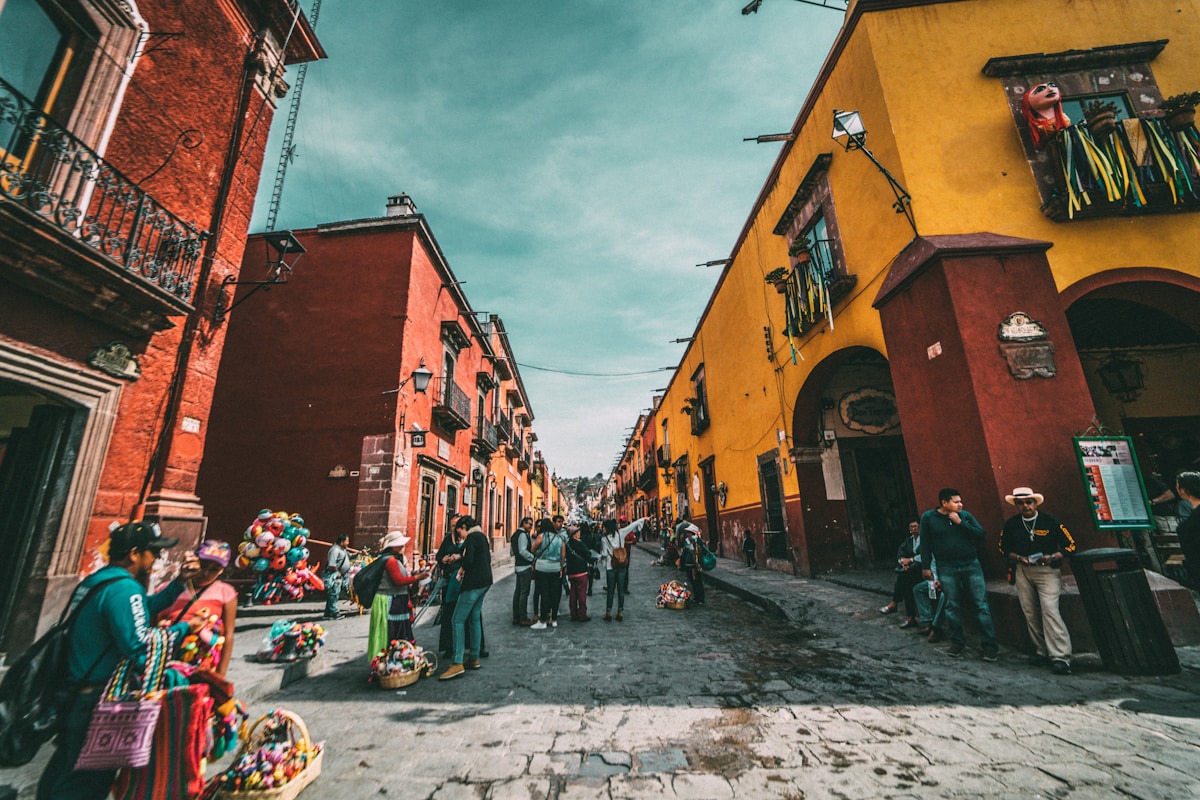
You can survive in Cabo without speaking a word of Spanish. But I stopped wanting to just survive here about three weeks in — when I realized every conversation worth having, every off-menu recommendation, and every real negotiation happened in a language I didn't speak.
Key Takeaways
- ✓ You don't need Spanish to buy property in Cabo — bilingual agents, notarios, and bank trust officers handle transactions in English.
- ✓ Group classes run $150-$250 USD/week; private tutors $20-$35/hour; serious immersion programs $400-$700/week.
- ✓ Most expats reach basic conversational fluency in 3-6 months with consistent daily practice.
- ✓ The Cabo bubble makes it easy to avoid Spanish entirely — expats in Mexican neighborhoods learn faster than those in gated resort communities.
- ✓ Knowing enough Spanish to read a predial bill, direct a contractor, and haggle at the Mercado Municipal saves real money every month.
Thinking About Moving to Cabo?
Language is just one piece of the puzzle — let's walk through what your actual daily life looks like here.
Get in TouchHow Much Spanish Do You Actually Need?
The honest answer depends entirely on how you plan to live. If you're buying a turnkey condo in Pedregal and flying down for six weeks a year, you can get by with "hola," "gracias," and the Google Translate app. The HOA speaks English. The restaurants speak English. Your property manager speaks English.
But if you're moving full-time, building a house, hiring staff, navigating CFE bills, or trying to actually make friends who grew up here — the math changes completely. Here's what each level of Spanish gets you in daily Cabo life:
Survival Level (50-100 phrases)
Enough to order food, take a taxi, buy groceries at Soriana, and handle basic pleasantries. This is where most snowbirds land and stay. It works, but you'll overpay for services, miss half of what your gardener is telling you, and never get the local price at the ferretería.
Functional Level (6-12 months of study)
You can handle a phone call with CFE about your electric bill, give specific instructions to a contractor, read a predial tax statement, follow a doctor's explanation at a clinic, and hold a real conversation at a dinner party. This is where living in Mexico starts to feel like living in Mexico rather than visiting it.
Fluent Level (18+ months of immersion)
You can read a contract in Spanish and know when the English translation is wrong. You can negotiate directly with a Mexican bank, understand municipal zoning discussions, and catch the wordplay when your neighbors are joking at your expense. A handful of long-term expats reach this level, and every one of them will tell you it changed their experience of Baja completely.
Where to Study Spanish in Los Cabos
The formal language school scene in Los Cabos is smaller than Mexico City, Oaxaca, or Guanajuato — but it exists, and it's growing as the full-time expat population increases.
Group Classes
Several schools in San Jose del Cabo offer structured group courses at various levels. Expect to pay $150-$250 USD per week for 15-20 hours of classroom instruction in groups of 4-8 students. Classes typically run Monday through Friday, either mornings or afternoons, with homework. Most programs start new cohorts monthly.
The advantage of group classes is structure and accountability — you show up at the same time, work through a curriculum, and have classmates to practice with. The disadvantage is pace: if you're faster or slower than the group, you're stuck.
Private Tutoring
One-on-one tutoring runs $20-$35 USD per hour in Los Cabos, and this is where most successful expat learners end up. You get a native speaker's undivided attention, the pace matches your level exactly, and you can focus the curriculum on what you actually need — real estate vocabulary, medical Spanish, household management, construction terms, whatever your daily life demands.
Ask the expat Facebook groups and your neighbors for recommendations. The best tutors in Cabo get passed around by word of mouth, not advertising. A good tutor who understands what expats need daily is worth three times the hourly rate of a generic language app.
Intensive Immersion Programs
For the accelerated approach, several programs in Baja California Sur combine 4-6 hours of daily classroom instruction with structured local immersion — market shopping, cooking classes, neighborhood walking tours, and conversations with local families. These typically run $400-$700 per week and attract retirees or pre-move expats who want to compress months of casual study into a few intense weeks.
La Paz, about two hours north, has a stronger immersion school ecosystem than Cabo itself — and the city is more immersive because it's less English-saturated. A two-week program in La Paz before settling into your Cabo home is a strategy I've seen work well for several buyers.
Planning Your Cabo Move?
Language, neighborhoods, schools, visas — let's map out everything before you commit.
Online Resources That Actually Work
The app economy has made basic Spanish accessible to anyone with a phone. But not all digital tools are equal for the kind of Spanish you'll actually use in Baja:
- Duolingo — free, gamified, good for absolute beginners building a daily habit. The Mexican Spanish it teaches is serviceable but generic. It won't teach you "chubasco" or how to read a Mexican utility bill.
- iTalki / Preply — $8-$15/hour for one-on-one sessions with Mexican tutors over video. The best bang-for-buck option if you can't do in-person. Book tutors from mainland Mexico who understand the vocabulary differences in Baja.
- Language Transfer — free, audio-only, teaches the logic of Spanish grammar rather than rote memorization. Widely considered the most efficient free course for English speakers who want to understand how the language works, not just parrot phrases.
- SpanishPod101 — structured podcast-style lessons by level. Good for car listening during the drive from SJD airport to your property.
- Anki flashcard decks — free, customizable. Build a deck of the 200 Spanish words you personally use most — real estate terms, household items, food, directions — and review 10 minutes daily. More effective than memorizing a generic word list.
The Cabo Bubble Problem
Here's the uncomfortable truth about learning Spanish in Los Cabos specifically: the resort corridor is designed so you never have to. Medano Beach, the marina, Pedregal, the Corridor hotels — they all operate in English. You can live in Palmilla for a decade and never need more than "buenos días."
Expats who actually learn Spanish in Cabo almost always have one thing in common: they broke out of the bubble deliberately. They shopped at the Mercado Municipal instead of La Comer. They ate at the taco stands on Calle Morelos instead of Hacienda Cocina. They joined a Mexican gym instead of the resort fitness center. They made friends who don't speak English.
Neighborhood matters more than most people realize. Living in Fonatur, La Playita, or downtown San Jose puts you in a Spanish-dominant environment every time you walk out the door. Living behind the gates of a Corridor resort means every interaction defaults to English unless you actively override it.
Spanish for Real Estate: The Vocabulary That Matters
If you're buying property, there's a specific subset of Spanish vocabulary that shows up in every transaction and that your bilingual agent may not always translate precisely:
- Escritura — the deed. Not the same as a contract (contrato).
- Predial — annual property tax.
- Avalúo — the official property appraisal required for every sale.
- Fideicomiso — the bank trust foreigners use to hold coastal property.
- Notario público — the government-appointed legal official who finalizes real estate transactions (not the same as a US notary).
- Obra — construction work, broadly. "La obra" is how everyone refers to a project under construction.
- Trámite — any official process or bureaucratic procedure. You'll hear this word constantly.
- Recibo de luz — your CFE electric bill.
- Permiso de construcción — building permit from the municipality.
- Uso de suelo — zoning/land-use designation.
Knowing these terms — even if you can't conjugate a subjunctive verb — puts you ahead of 90% of foreign buyers who sign documents they can't read. For a deeper dive into what the notario does and why it matters, see our notario público guide.
Everyday Spanish You'll Use Weekly
Beyond real estate, here are the situations where Spanish makes the biggest practical difference in daily Cabo life:
- Hiring and managing household staff. Your housekeeper, gardener, and pool person are almost certainly more comfortable in Spanish. Giving clear instructions — and understanding when they tell you the pump is broken — requires more than hand gestures. See our household staff guide for the full picture.
- Medical emergencies. The front desk at a private hospital speaks English. The paramedic in the ambulance probably doesn't. Having the vocabulary to describe symptoms, medications, and allergies in Spanish is genuinely important. Our healthcare guide for expats covers the medical system itself.
- Dealing with utilities. CFE, OOMSAPAS (water), Telmex — their customer service lines and local offices operate in Spanish. Getting a billing error fixed, scheduling a meter read, or reporting an outage goes much faster when you can explain the problem directly. We covered the full utility setup process in our post-closing checklist.
- Navigating government offices. The SAT (tax authority), immigration office (INM), and municipal building permit office all operate in Spanish. You can hire a gestor (a professional bureaucracy navigator) to handle these for you, but understanding what's being filed on your behalf is worth something.
- Getting the local price. At the ferretería, the mechanic, the upholstery shop — businesses that serve primarily Mexican customers quote in Spanish. English usually triggers tourist pricing, not out of malice but because the assumption is that you're here for a week and won't be back.
What Actually Worked: Advice from Long-Term Cabo Expats
After a few years of watching expats succeed and fail at Spanish in this specific environment, here are the patterns that consistently produce results:
- Start before you move. Even 30 days of daily Duolingo or Language Transfer before your move gives you a foundation that classroom instruction can build on instead of starting from zero.
- Get a private tutor within the first month. Tell them exactly what you need: "I'm managing a construction project" or "I need to handle household staff and utility bills." Specific goals produce faster results than general conversation practice.
- Make one Mexican friend who doesn't speak English. This is the single most cited factor among expats who actually got fluent. Not a language exchange partner — a real friend whose relationship exists in Spanish.
- Choose your neighborhood deliberately. If language acquisition matters to you, a condo in Fonatur or a house in La Playita will teach you more Spanish in six months than a villa in Quivira will in five years.
- Stop apologizing for bad Spanish. Mexicans are overwhelmingly gracious with language learners. The barista at the local café is not silently judging your conjugation — she's glad you're trying. The willingness to sound ridiculous is the price of admission to fluency.
Spanish for Expat Kids
If you're relocating with children, language acquisition is dramatically faster. Kids under 12 who attend a bilingual or Spanish-language school in Los Cabos typically become functionally bilingual within one academic year. Even teenagers at international schools with Spanish-immersion tracks get there within 18-24 months.
For the full breakdown of school options — bilingual, international, and public — see our international schools guide. The language component alone is one of the strongest arguments for raising kids in Los Cabos.
Frequently Asked Questions
Ready to Make the Move?
From neighborhoods to language to lifestyle — let's figure out where you fit in Los Cabos.
Contact MeFrequently Asked Questions
Do I need to speak Spanish to buy property in Los Cabos?+
No. Most real estate transactions in Los Cabos are conducted with bilingual agents, bilingual notarios, and bilingual bank trust officers who are accustomed to working with American and Canadian buyers. Your fideicomiso documents will be in Spanish with English translations provided. That said, knowing enough Spanish to read a predial tax bill, talk to your gardener, or negotiate with a plumber saves you money and frustration every week you live here.
How much do Spanish classes cost in Los Cabos?+
Group classes at a language school in San Jose del Cabo or Cabo San Lucas typically run $150-$250 USD per week for 15-20 hours of instruction. Private one-on-one tutoring averages $20-$35 USD per hour. Intensive immersion programs that combine classroom instruction with local excursions run $400-$700 per week. Online tutoring through platforms like iTalki or Preply costs $8-$15 per hour for Mexican Spanish tutors, which many expats use to supplement in-person classes.
What's the best language school in San Jose del Cabo?+
Se Habla La Paz in downtown San Jose del Cabo and Baja International Language College are both well-regarded by the expat community. The UABCS extension campus in San Jose occasionally offers community Spanish courses as well. Most expats who get genuinely conversational combine formal classes with daily immersion — ordering at local taquerias in Spanish, shopping at the Mercado Municipal, and making friends outside the expat bubble.
How long does it take to become conversational in Spanish while living in Cabo?+
With consistent effort — 10-15 hours per week of combined study and immersion — most adults reach basic conversational fluency in 3-6 months. The catch in Los Cabos is that it's easy to avoid Spanish entirely, especially in the tourist corridor and gated communities where staff speaks English. Expats who plateau typically do so because their daily life doesn't require Spanish, not because the language is too hard. Living in a Mexican neighborhood like Fonatur or La Playita forces more daily practice than living in Pedregal or Palmilla.
What Spanish dialect is spoken in Baja California Sur?+
Baja California Sur uses standard Mexican Spanish with some regional vocabulary — panga (fishing boat), chubasco (summer storm), rancho (any small settlement). The accent is generally considered neutral and clear by Latin American standards, closer to Mexico City Spanish than to the coastal accents of Veracruz or Yucatan. This makes it an easier environment for learning than some other Mexican regions.
Are there free ways to learn Spanish in Los Cabos?+
Yes. Several churches in San Jose del Cabo and Cabo San Lucas run free or donation-based conversational Spanish groups for expats. The public library in San Jose occasionally hosts language exchange meetups. Online, the free tiers of Duolingo and Language Transfer cover basics. But the most effective free resource is simply living in a Spanish-speaking neighborhood, shopping at local markets instead of Walmart or Costco, and making Mexican friends who don't speak English.

Aaron Cuha
Real Estate Advisor & Los Cabos Market Expert
Real estate advisor and founder of Living In Cabo. 15+ years helping families navigate complex real estate decisions. Strategic partner with Ronival — Baja's largest brokerage.